Lighting plays a crucial role in creating the perfect theater experience, whether it’s for a cinema, stage performance, or live event. The right lighting not only illuminates the scene but also sets the mood, highlights key moments, and guides audience attention. Modern theaters use a variety of lighting types, each with its unique purpose and effect. In this blog, we will explore the top types of theater lights and their practical uses.
1. Spotlights
Spotlights are one of the most common and essential types of theater lights. They focus a bright beam on a specific actor, performer, or area of the stage.
Uses:
- Highlighting main performers or key props
- Creating dramatic emphasis during scenes
- Guiding audience attention to a particular section of the stage
Spotlights are adjustable and can be dimmed or moved to suit the performance, making them versatile for both small theaters and large cinemas.
2. Floodlights
Floodlights provide broad, even illumination over a wide area, unlike the focused beam of spotlights. They are ideal for general lighting on stage or in theater lobbies.
Uses:
- Lighting large sets or backgrounds
- Enhancing visibility for ensemble scenes
- Creating soft, even light to reduce shadows
Floodlights are often used in combination with colored gels or filters to produce different moods and atmospheres.
3. Fresnel Lights
Fresnel lights are soft-edged lights that create a natural, diffused glow. They are named after the French physicist Augustin-Jean Fresnel and are widely used in professional theaters.
Uses:
- Providing soft, flattering illumination on actors
- Filling shadows created by other lights
- Blending different lighting sources for a smooth effect
Fresnel lights are often adjustable, allowing lighting designers to control both beam size and intensity.
4. LED Panels and Lights
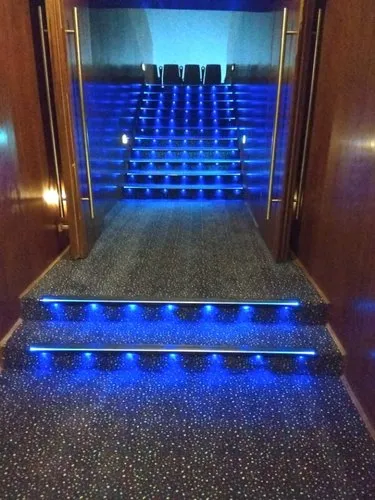
LED lighting has revolutionized theater production due to its energy efficiency, color versatility, and longevity. Modern theaters increasingly rely on LED lights for both stage and auditorium lighting.
Uses:
- Dynamic color effects for scenes and performances
- Energy-efficient general or accent lighting
- Programmable lighting sequences for synchronized effects
LEDs can display millions of colors and are ideal for creating immersive atmospheres without excessive heat generation.
5. Gobos and Pattern Lights
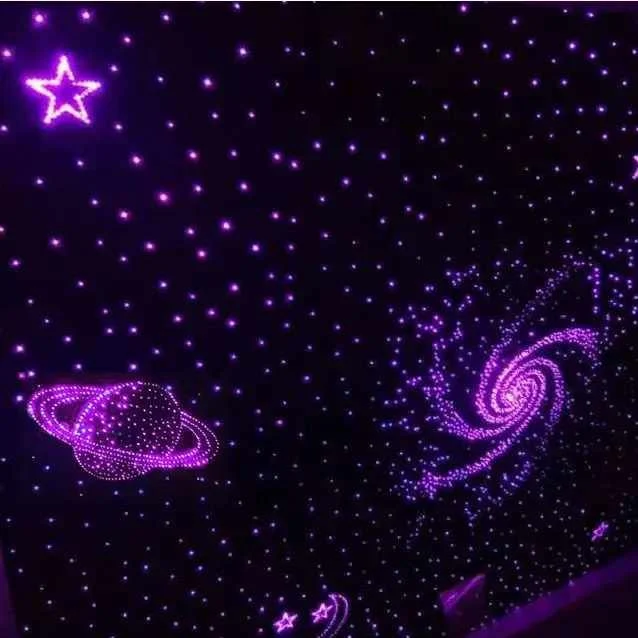
Gobos are stencils or templates placed in front of a light source to project shapes, patterns, or textures onto the stage or background. These are especially popular in theater and live concerts.
Uses:
- Adding visual interest with projected patterns
- Simulating natural effects like leaves, windows, or cityscapes
- Creating unique stage designs without physical props
Gobos enhance the visual storytelling of a performance and can transform a simple stage into a dramatic setting.
6. Moving Lights / Intelligent Lighting
Moving lights, also known as intelligent lighting, are motorized fixtures that can pan, tilt, change colors, and even create dynamic effects during a performance.
Uses:
- Following performers across the stage automatically
- Producing vibrant light shows in live concerts or events
- Creating dramatic scene transitions without manual adjustments
These lights are often controlled using DMX consoles, offering precise and versatile lighting effects for professional productions.
7. House Lights
House lights are the lights in the audience area of the theater, not the stage. They are crucial for safety, ambiance, and transitions before and after performances.
Uses:
- Guiding audience members to seats
- Providing general illumination during intermissions or pre-show periods
- Dimming gradually to signal the start of a performance
Properly designed house lights create a welcoming environment while maintaining focus on the stage when needed.
8. Accent and Effect Lighting
Accent lights are used to emphasize specific objects, scenery, or performers, while effect lights create mood or simulate natural conditions like fire, moonlight, or lightning.
Uses:
- Enhancing set pieces or props
- Creating suspense, drama, or atmosphere
- Simulating natural or fantasy lighting effects
Effect lighting is often combined with fog machines or color filters to maximize visual impact.
Why Choosing the Right Theater Lights Matters
The type of theater light you choose affects not only visibility but also the emotional impact of a performance. Proper lighting:
- Highlights performers and key moments
- Sets the mood and atmosphere
- Enhances audience engagement and immersion
- Improves safety and visibility
A well-planned lighting setup can transform any theater space, making performances memorable and professional.
Tips for Using Theater Lights Effectively
- Layer Your Lighting: Combine spotlights, floodlights, and LEDs for depth and dimension.
- Use Dimmers: Gradual changes in light intensity add drama and realism.
- Experiment with Colors: Colored gels or LED settings can change the mood instantly.
- Plan Angles Carefully: Proper placement reduces shadows and highlights performers optimally.
- Maintain Your Equipment: Regular cleaning and timely bulb replacement ensure consistent performance.